Sproochentest preparation
Mindful Learning
A quiet corner of the site: a Pomodoro timer and the study techniques that actually move your spoken Luxembourgish forward.
Mindful learning
Study calmer, not longer
The Sproochentest rewards steady, spoken practice — not midnight cramming. Pick one technique, start the timer, and give your full attention to a single question.
Start here · best for overcoming procrastination
🪜 The smallest step — the 2-minute approach
Two-minute start
Start it, do one tiny thing only — and let the two minutes run out while you are already inside the task.
How it works
- 1Shrink the task until it feels almost silly: write one sentence, open the document, answer one question out loud.
- 2Do only that, with the two-minute timer running. No goal beyond the tiny step.
- 3Check your energy and decide out loud: keep going for 5 to 10 minutes, or stop here.
Why it beats a 25-minute timer
Procrastination is rarely about the work — it is about starting it. A Pomodoro asks you to promise 25 minutes before you have done anything, and that promise feels too heavy on a tired day, so nothing happens at all.
Two minutes asks almost nothing, so the brain stops resisting. It solves task initiation paralysis: once the document is open and one sentence is written, the timer is something you may choose — not a wall you have to climb first.
Both work best together: two minutes to start, then the Pomodoro below for the next five questions.
Ready
1/7
—
Motivational reset
Sit up like you belong
Both feet on the floor, spine tall, chin level. The examiner reads your posture before your first word.
Seven short sections, back to back, with only a breath of silence between them — remember what you have already done, then walk in and speak.
0 focused sessions today
Four rounds, then a long break with a glass of water and a walk.
Pomodoro
25 minutes on one task, 5 minutes off. The short deadline makes starting easy.
Try it: Write the one thing you will do before you press start.
Active recall
Close the notes and say the answer out loud instead of rereading it.
Try it: Use the short answers in the question bank, then hide them and speak.
Spaced repetition
Revisit a question after one day, three days, then a week.
Try it: Mark the ones you missed and come back to only those.
Interleaving
Mix topics in one session instead of drilling a single theme.
Try it: Two questions on housing, one on work, one on holidays.
Teach it back
Explain the rule to an imaginary examiner until it sounds simple.
Try it: Say 'also wann ech dat erkläre misst, dann...' and keep going.
Mindful reset
Three slow breaths between rounds keeps panic out of your voice.
Try it: Feet on the floor, shoulders down, one long exhale before answering.
Shadowing
Speak along with a recording half a second behind it, copying the melody.
Try it: Play one exam answer and repeat it silently, then out loud, twice.
Record yourself
Hearing your own answer is the fastest way to find what slips.
Try it: Record one picture description, listen back, note one thing to fix.
Sentence starters
Keep five openers ready so you never sit in silence searching.
Try it: 'Fir d'lescht…', 'Och wann ech…', 'Et ass wichteg, datt…' — say each once.
Exam pacing
Practise under the real clock, not in your own comfortable speed.
Try it: Two minutes per question, timer visible, no pausing to look things up.
Sleep on it
A two-minute review before bed keeps new words overnight.
Try it: Read five missed questions last thing, then answer them at breakfast.
Error journal
Every mistake written down once stops repeating itself.
Try it: One line per slip: what you said, what you meant to say.
Sing it
A phrase learned through a melody comes back without effort.
Try it: Take one answer and hum it to any tune you already know.
Walk and talk
Speaking while moving loosens the throat and the nerves.
Try it: Walk one lap around the block describing your street in Luxembourgish.
Study buddy
One person asking, one answering — the closest thing to the real test.
Try it: Swap questions with a classmate and answer without looking down.
Against the odds
Motivational talks from people living with a disability
Seven voices on limits, asking for help and starting again — worth watching yourself, and worth sharing with a student who thinks they are behind.
 ▶
No Arms, No Legs, No Worries
Nick Vujicic
Born without limbs, he talks about the day he stopped asking why and started asking what next. Four minutes of perspective.
Watch on YouTube ↗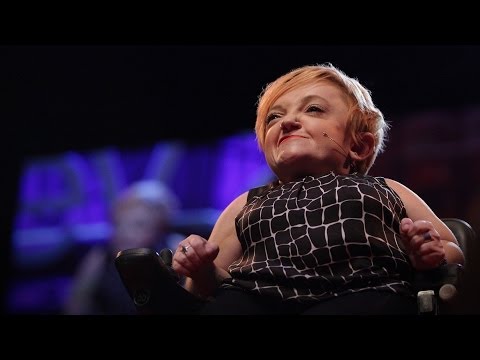 ▶
I'm Not Your Inspiration, Thank You Very Much
Stella Young · TEDxSydney
A funny, sharp reminder to treat a person in a wheelchair as a person — the same respect a student wants in class.
Watch on YouTube ↗ ▶
Living Beyond Limits
Amy Purdy · TEDxOrangeCoast
She lost both legs and became a Paralympic snowboarder. On turning an obstacle into the reason to get creative.
Watch on YouTube ↗ ▶
Deep Sea Diving… in a Wheelchair
Sue Austin · TED
She strapped a wheelchair to an underwater propeller and opened a world nobody had pictured. What freedom can look like.
Watch on YouTube ↗ ▶
The Opportunity of Adversity
Aimee Mullins · TED
On the words we use about disability, and how a label can shrink or widen what a person dares to try.
Watch on YouTube ↗ ▶
Turning Adversity into Opportunity
Muniba Mazari · TEDxIslamabad
After a crash left her in a wheelchair, she painted, sang and spoke her way back. The gentlest case for starting again.
Watch on YouTube ↗ ▶
Why I Work to Remove Access Barriers
Haben Girma · TEDxBaltimore
Deafblind and the first to graduate from Harvard Law. A short talk about the difference one open door makes.
Watch on YouTube ↗The classics
The best motivational talks of all time
Eleven talks worth keeping. Watch one before a long day, or send it to a student who needs it.
 ▶15 min
Steve Jobs' 2005 Stanford Commencement Address
Steve Jobs · Stanford
Three stories about trust, loss and doing work you believe in. The one to watch when the path feels unclear.
Watch on YouTube ↗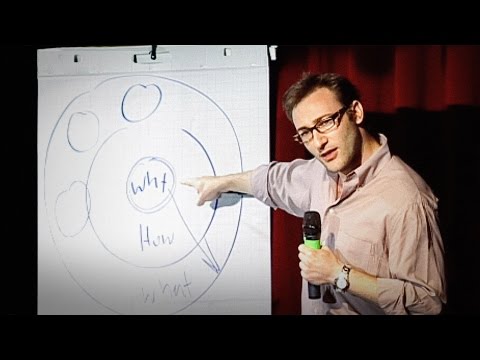 ▶18 min
How Great Leaders Inspire Action
Simon Sinek · TED
Start with why. It changes how you explain a lesson, and how you explain your own work.
Watch on YouTube ↗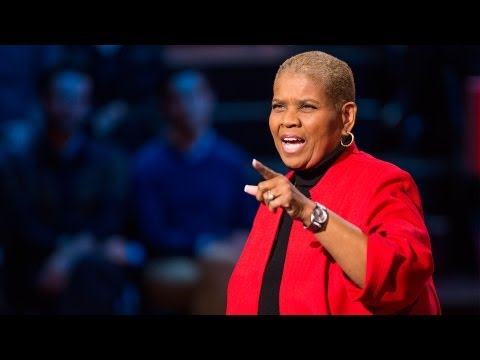 ▶8 min
Every Kid Needs a Champion
Rita Pierson · TED
The shortest, warmest case for what a single adult who believes in a learner can do.
Watch on YouTube ↗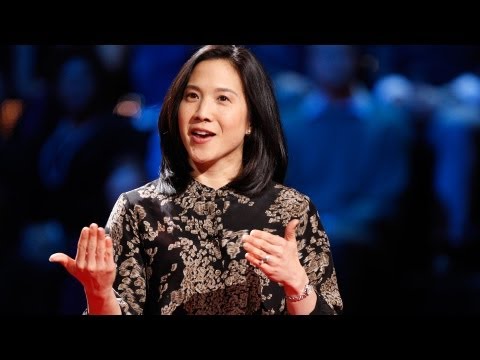 ▶6 min
Grit: The Power of Passion and Perseverance
Angela Lee Duckworth · TED
Progress is built out of steady persistence, exactly what you ask of your students every week.
Watch on YouTube ↗ ▶10 min
The Power of Believing That You Can Improve
Carol Dweck · TED
The words 'not yet' are a teaching tool. Ten minutes on the growth mindset.
Watch on YouTube ↗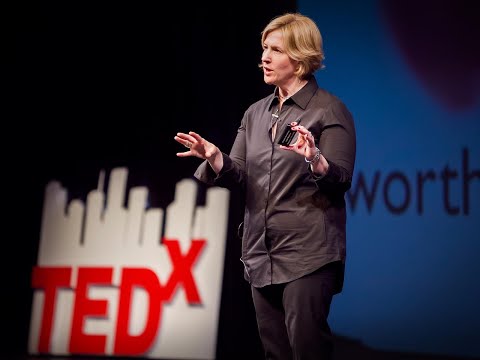 ▶20 min
The Power of Vulnerability
Brené Brown · TED
Honesty about mistakes is what makes a classroom safe enough to speak in.
Watch on YouTube ↗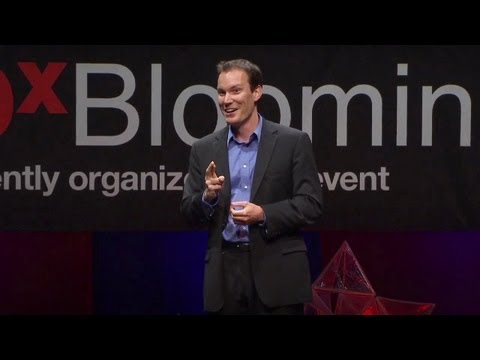 ▶12 min
The Happy Secret to Better Work
Shawn Achor · TED
Why a good mood makes learning stick — and how to make one on a grey Monday.
Watch on YouTube ↗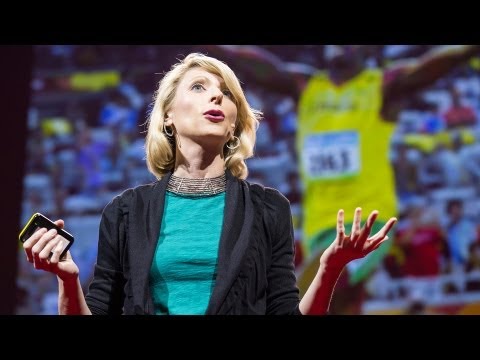 ▶21 min
Your Body Language May Shape Who You Are
Amy Cuddy · TED
Confidence is partly posture. Useful to teach, and useful before your own exam day.
Watch on YouTube ↗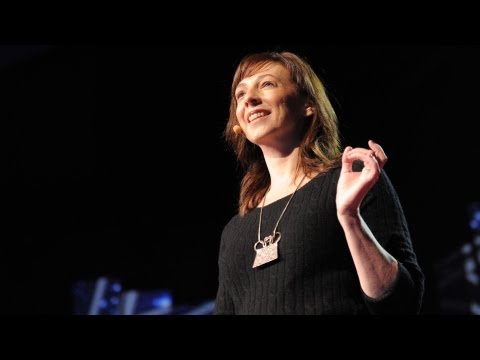 ▶19 min
The Power of Introverts
Susan Cain · TED
Some of your quietest students are listening hardest. A reminder not to mistake quiet for empty.
Watch on YouTube ↗ ▶3 min
A Pep Talk from Kid President to You
SoulPancake
Three minutes of pure encouragement. Send it to a student who is close to giving up.
Watch on YouTube ↗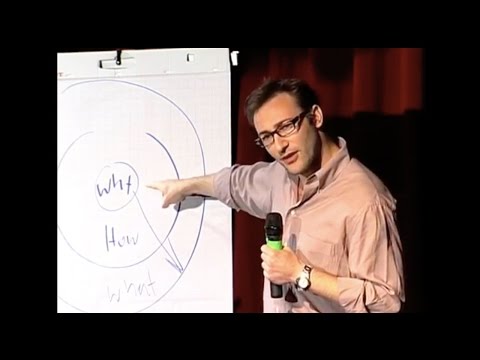 ▶18 min
Start With Why
Simon Sinek · TEDx
For the mornings when teaching feels like a schedule and not a calling.
Watch on YouTube ↗"Ruhig bleiwen, lues schwätzen — de Prüfer waart op dech."